
Affiliate Disclosure: Some links in this post are affiliate links. Purchases may earn a small commission at no extra cost, helping keep these design tips coming. Read the full disclosure here.
Take a look at your kitchen as it exists right now — not the version you imagined when you moved in, not the one you’ve saved on Pinterest. The real one.
The one where mornings feel rushed, counters never quite stay clear, and something about the space feels quietly irritating.
Now ask the honest question:
Does this kitchen feel inviting… or even work for your life?
For many people, the problem isn’t just that their kitchen feels cold or unfinished. It’s that it doesn’t support real life very well and it doesn’t feel good to be in.
That combination is frustrating — and it’s also extremely common.
Most of the time, it has nothing to do with age, budget, or needing a remodel. It comes down to a few design mistakes that stack on top of each other.
Here are the four most common kitchen design mistakes — and how to fix them using the Room Revival Method.
Mistake #1: Designing for an Idealized Life
The first mistake happens before décor, color, or style enter the conversation.
Many kitchens are designed around how people wish they used the space, not how they actually do. When that happens, even basic tasks start to feel harder than they should.
Signs this is happening:
- Surfaces stay cluttered because there’s nowhere logical for things to land
- The flow feels awkward when more than one person is in the room
- You’re constantly working around the layout instead of moving through it
When a kitchen doesn’t support real behavior, no amount of warmth or styling will fix it. A space that doesn’t function will always feel off.
The fix:
Start with purpose. Get honest about what actually happens in the kitchen — who uses it, how often, and for what. Every design choice that follows should support that reality.

Mistake #2: Decorating Without Setting the Tone
Many kitchens feel flat not because of what’s in them, but because nothing is leading the design.
Pieces get added one at a time: something useful, something neutral, something that “goes with everything.” The result is a kitchen with stuff — but no mood.
When there’s no anchor:
- The space feels bland or indecisive
- Décor looks disconnected instead of cohesive
- Every new choice feels like guesswork
The fix:
Choose one anchor — a single item that captures the mood of the kitchen.
An anchor sets the emotional tone first, then quietly introduces the colors and textures the rest of the room can pull from. It doesn’t need to be large, expensive, or decorative. It just needs to be intentional.
Good kitchen anchors often include art, a patterned runner, a statement light, or ceramic, wood, or stone pieces with visual weight.
Once the anchor is in place, decisions stop being isolated. Everything else gets to respond to it.
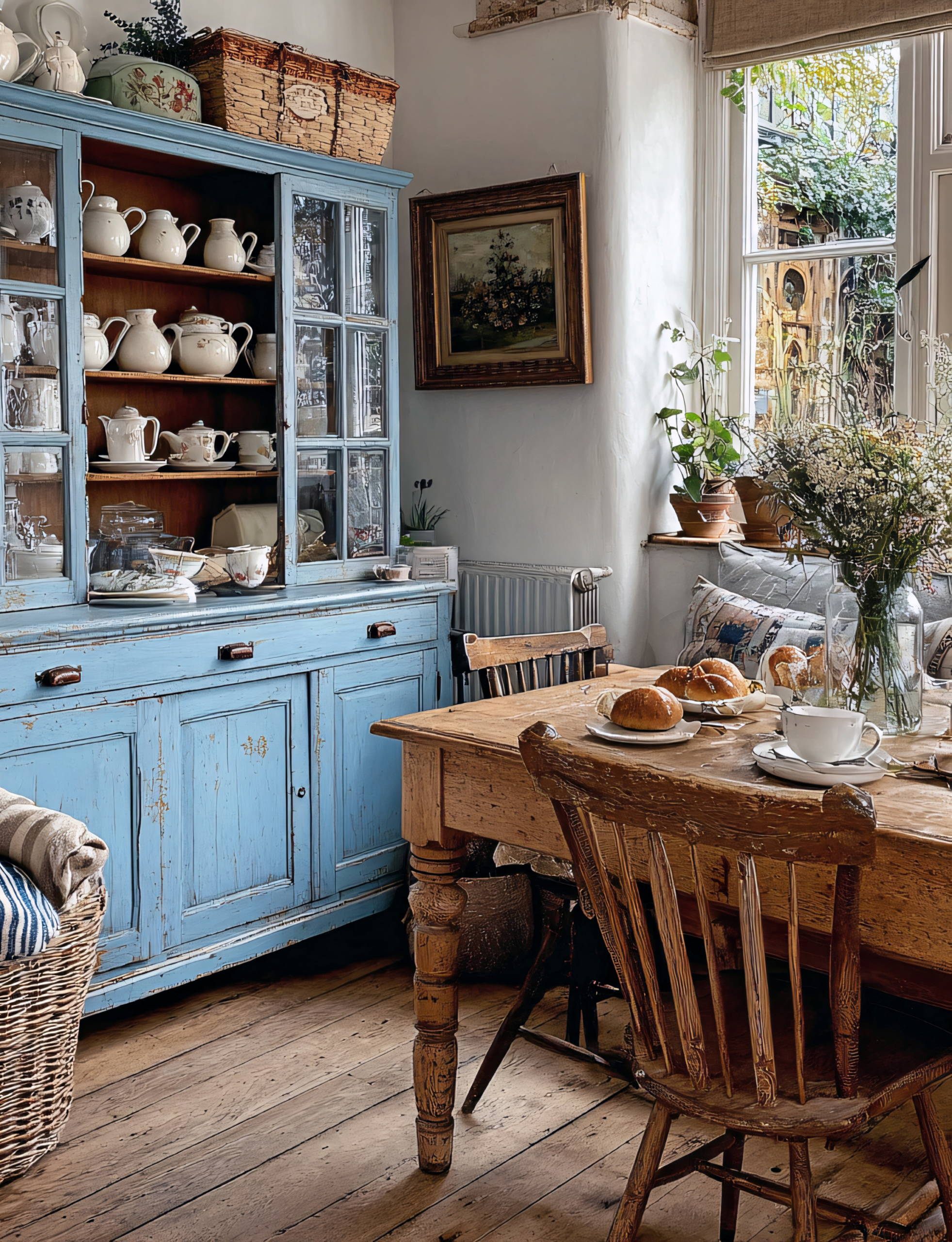
For instance, here are a few anchor ideas for a cozy cottage kitchen:

Use a Floral Arrangement You Love…

Or Wall Art Your Love…

Or Even Cafe Curtains You Love
Mistake #3: Trying to Lead With Color Alone
With an anchor in place, building a palette becomes straightforward.
When a kitchen feels cold, most people reach for paint or accessories in warmer tones. But color alone rarely solves the problem.
Kitchens are dominated by hard surfaces — cabinets, counters, appliances. Without material contrast, even warm colors feel flat.
When texture is missing:
- The space feels stark instead of inviting
- Neutrals feel sterile instead of calm
- Color changes don’t make much difference
The fix:
Build a real palette — one that includes texture, not just color.
Pull 2–3 main colors from the anchor, then layer materials like wood, ceramic, linen, woven fibers, and softened metals. Texture is what actually creates warmth in a kitchen.
When texture leads, color can stay restrained — and the space still feels rich.
Here’s an example color and texture palette inspired by the anchor pieces above.

Mistake #4: Adding Nice Pieces Without Connecting Them
This is where many kitchens quietly fall apart.
Decor gets added, but nothing repeats. Each piece stands alone. The kitchen has good elements, but it never feels finished.
Without echo:
- The eye has nowhere to rest
- The space feels visually noisy or incomplete
- Nothing quite feels intentional
The fix:
Echo what’s already there.
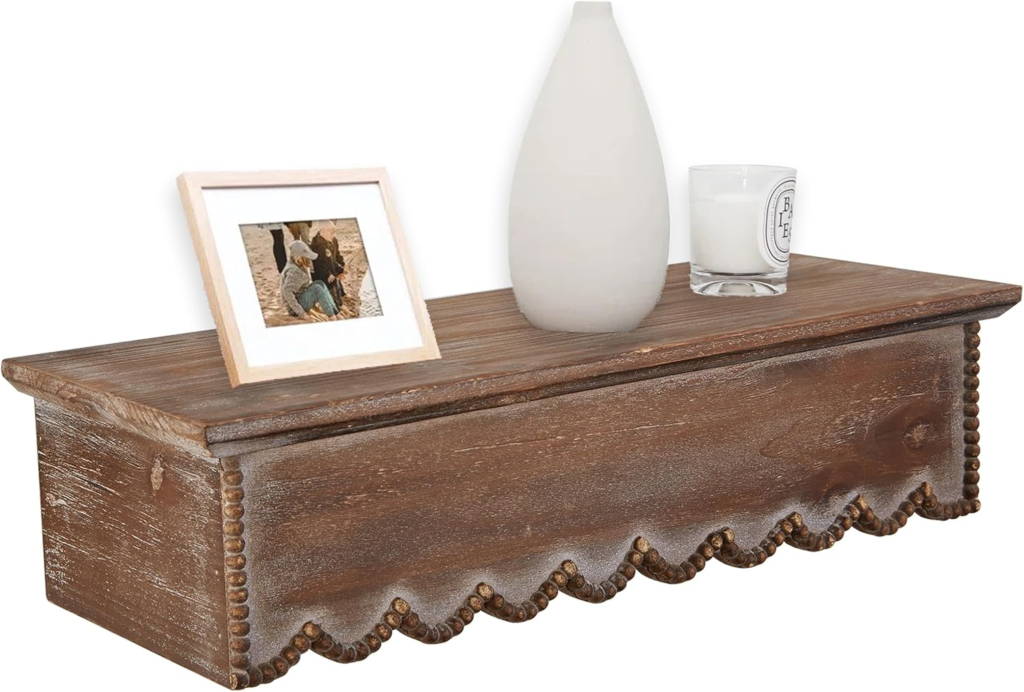
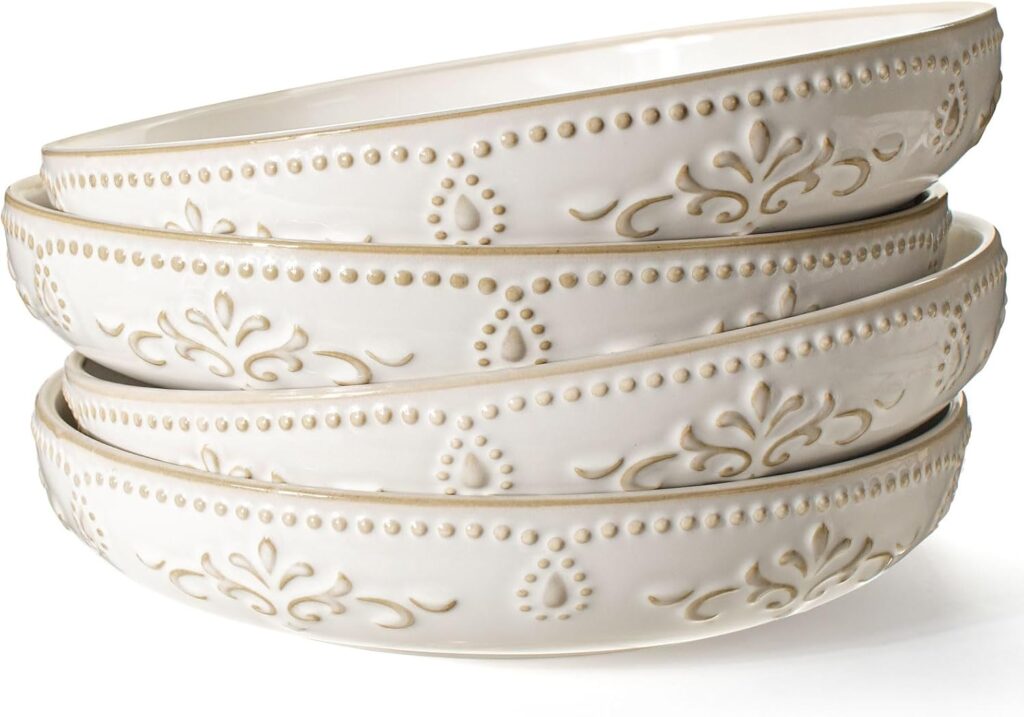
Repeat colors from the anchor and palette in linens or small décor. Let materials like wood or ceramic appear more than once. Carry finishes through lighting, hardware, and accessories.
Echoing doesn’t mean matching. It means connecting — and that connection is what makes a kitchen feel cohesive.
To continue with the cottage kitchen example, here are a few simple ways to echo the palette across the room using best-selling products from Amazon:




The Takeaway
A warm and inviting kitchen isn’t created by chasing trends or tearing everything out. It’s Kitchens don’t feel off because they’re outdated.
They feel off because they’re misaligned.
- Function doesn’t support real life
- Mood was never established
- Materials feel too hard
- Details don’t relate to each other
The Room Revival Method brings the structure back:
- Purpose — design for real use
- Anchor — set the mood
- Palette — layer color and texture
- Echo — tie everything together
When those pieces are in place, the kitchen doesn’t just look better — it works better. And that’s when it finally starts to feel warm, intentional, and easy to live in.