
Affiliate Disclosure: Some links in this post are affiliate links. Purchases may earn a small commission at no extra cost, helping keep these design tips coming. Read the full disclosure here.
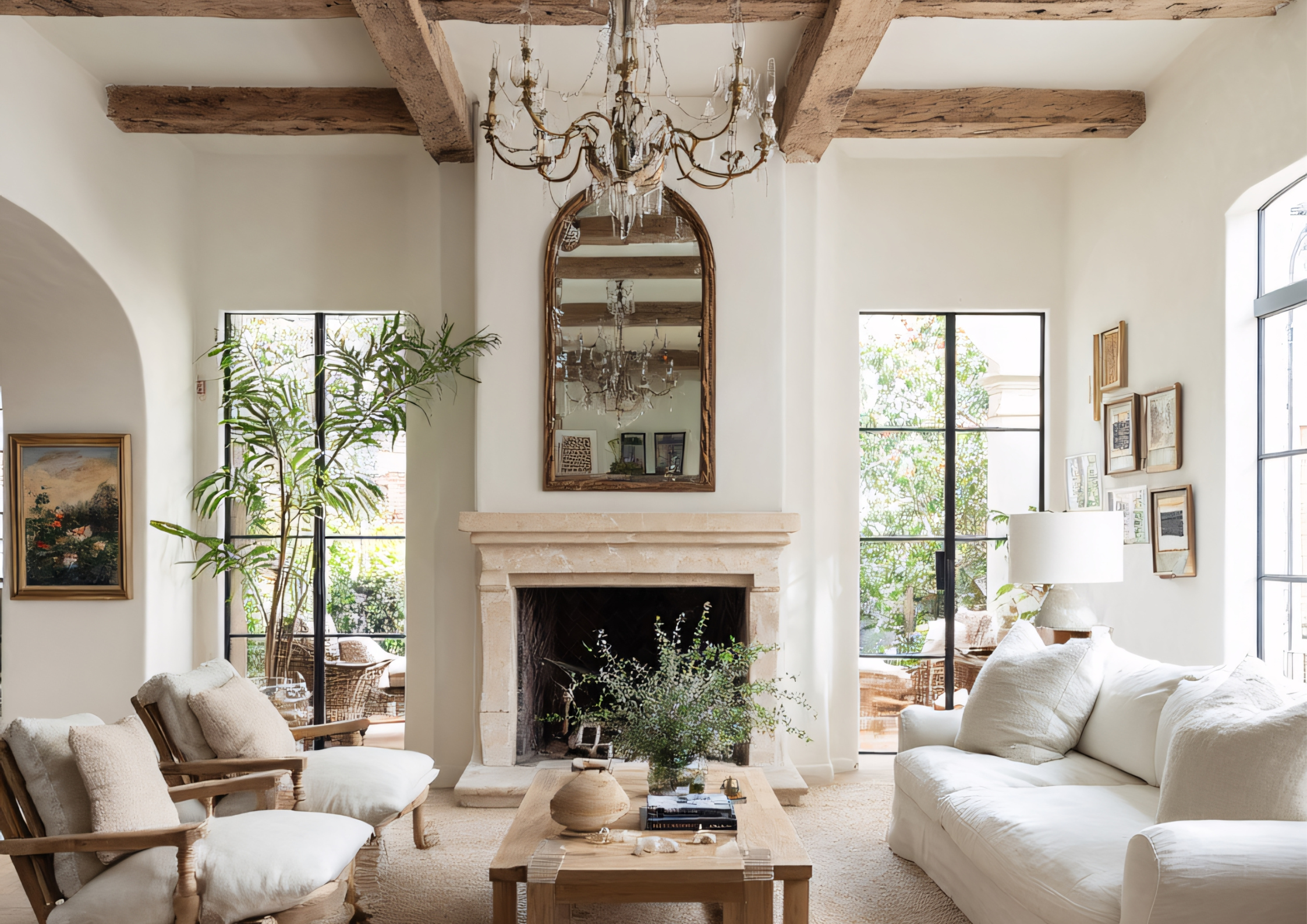
You’ve pinned it all — dreamy bedrooms, cozy nooks, kitchens that belong in magazines, and bathrooms that make you stop and stare. You’ve saved boards full of inspiration that make your heart skip a beat. Yet when you step into your own home, it often feels… unfinished.
The problem is clear: you love your Pinterest boards more than your home. Inspiration alone won’t create a space that feels cohesive, functional, and completely you. Without a method, even the most beautiful items can leave rooms feeling scattered or incomplete.
The Room Revival Method changes that. It’s a simple, repeatable four-step framework that works in any space — from bedrooms to kitchens, offices to living rooms. It gives you a clear path so that every choice has a purpose, every piece feels intentional, and every room becomes a space you love.
The four steps:
Purpose → Anchor → Palette → Echo
Following these steps removes guesswork, helps you make confident design decisions, and transforms inspiration into spaces that actually work for the way you live.
Step 1: Purpose — Start With How You Actually Use the Space
Many rooms feel unfinished because function comes second. You might have picked beautiful furniture, rugs, or decor — but if you haven’t defined how the space is used, the room will feel disconnected.
Ask yourself:
- What are the 2–3 main activities in this space? Relaxing, working, reading, entertaining, cooking, or sleeping?
- Which furniture, lighting, or storage supports those activities?
- How will people move through the room? Where do you need open space or focal points?
Example: imagine a light and airy reading nook. The armchair is your anchor — the spot where you relax and read. Once the purpose is clear, everything else falls into place: a side table for books, a lamp for reading, a basket for storage, and a soft throw for comfort. Suddenly, the space feels functional, intentional, and inviting.
Pro tip: start with function first. Once your layout and main pieces are in place, styling becomes effortless. Add a rug to define the area, layer textures with pillows and throws, and place small decorative objects that reinforce the purpose. Even small adjustments can make a space feel finished.
Common mistake: buying decor before understanding the purpose. Without knowing how the space is used, it’s easy to collect pieces that look nice but don’t work together.

Step 2: Anchor — Capture the Mood in One Piece
After defining the purpose of a room, the next step is to pick your anchor. Think of the anchor as the heartbeat of the space. It’s any item that captures the mood you want the room to feel — cozy, calm, airy, playful, or elegant. Size, scale, or “statement” status doesn’t matter.
The anchor anchors your design choices. From it, you’ll pull colors, textures, and style cues that guide every other element in the room. With a clear anchor, furniture, décor, and accessories all start to feel connected and intentional.
The anchor should:
- Capture the mood — sets the feeling you want the space to have
- Inspire — introduces colors, textures, or shapes to echo elsewhere
- Bring joy — makes you smile or feel excited when you see it
Examples of anchors:
- A patterned pillow that sets your color palette
- Artwork that defines the style and mood
- A decorative object with a shape, pattern, or material to repeat
Example: in a neutral, light and airy nook, a feather reed floral arrangement could serve as the anchor. Its soft beige and cream tones create the palette, the delicate texture suggests similar textures for throws or baskets, and its relaxed, airy style guides the room’s overall vibe. Later, furniture like a linen chair, a woven rug, or a small side table can echo the colors, textures, and shapes introduced by the anchor.
Pro tip: the anchor doesn’t need to be large or central. Even a tiny item can give the room direction. It’s the spark from which all design decisions flow.
Common mistake: skipping the anchor or choosing something that doesn’t reflect the desired mood. Without it, the space feels scattered, and styling becomes guesswork.
Here are some sample anchor pieces for a Pottery Barn-inspired living room on an Amazon budget:


Step 3: Palette — Build Your Colors and Textures
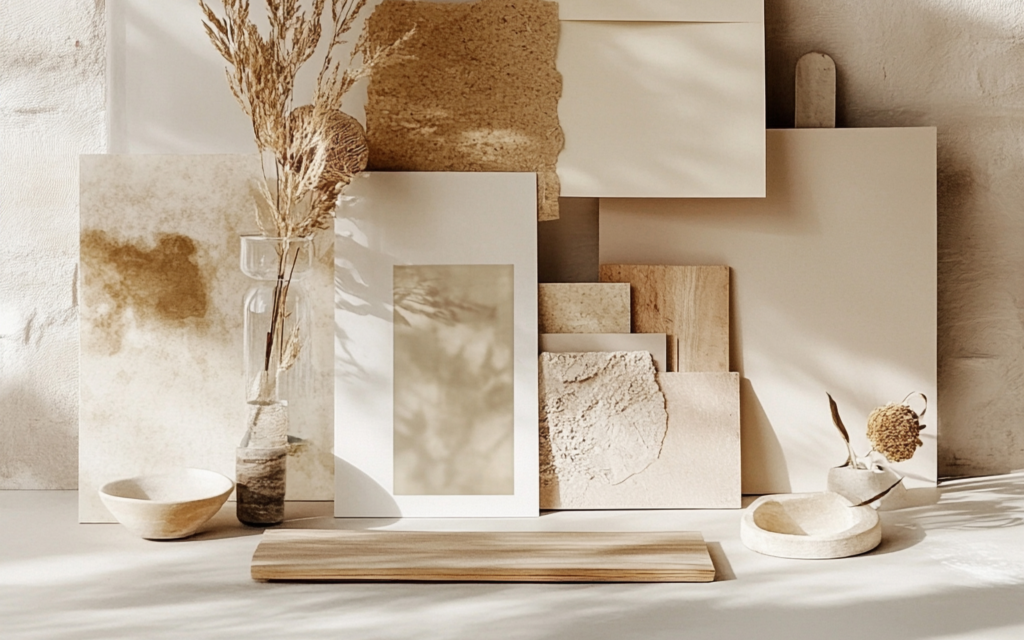
Once the anchor is chosen, it’s time to build your palette. This is where your space starts to feel intentional. The palette defines the colors, textures, and materials that will guide every other choice in the room.
Why it matters:
Without a palette, rooms can feel scattered or chaotic. With one, even small décor items look deliberate, and everything works together effortlessly.
How to build your palette:
- Pick main colors
Look at the dominant shades in your anchor. These will guide walls, larger furniture, or rugs. Keep them calm and neutral if you want a light, airy feel. - Add accent colors
Pull 1–2 shades from your anchor to appear in pillows, throws, artwork, or smaller décor. Accent colors create visual interest and depth. - Incorporate textures
Texture adds warmth and dimension. Consider smooth, soft, or natural materials. Echo textures from your anchor in baskets, textiles, or small accessories. - Balance bold and neutral
Large pieces anchor the palette, while small items can carry patterns, shapes, or pops of color without overwhelming the space. - Check your lighting
Colors can look different under daylight versus lamps. Test your palette in the actual room before committing to new pieces or paint.
Pro tip: let your anchor do most of the work. Pull 2–3 main colors and 1–2 accents, then choose 1–2 textures to repeat. Suddenly, the space has a clear visual language, and styling decisions become faster and easier.
Common mistake: choosing colors that don’t relate to your anchor, or ignoring texture. Even a beautifully colored room can feel flat or disconnected without cohesive textures.
Example: Using the feather reed floral arrangement as the anchor in a neutral, light and airy nook:
- Main colors: cream, soft beige
- Accent colors: light taupe, warm ivory
- Textures: delicate reeds, soft linen, woven basket
- Application: The colors appear in pillows, throws, and a woven rug, while textures repeat in baskets, blankets, or small décor items. Every choice ties back to the anchor, making the room feel cohesive and intentional.
Step 4: Echo — Tie the Room Together
With the palette in place, it’s time to echo elements from your anchor throughout the room. Echoing means repeating colors, textures, or shapes in multiple spots so everything feels connected. This is what turns a styled room into a finished, cohesive space.
Why it matters:
Even rooms with beautiful pieces can feel scattered if elements don’t relate. Echoing creates harmony and flow, making the space feel intentional and complete.
How to echo effectively:
- Repeat colors
Bring 1–2 colors from your anchor or palette into pillows, throws, artwork, or small décor items. Variations are fine — it’s about connection, not exact matches. - Repeat textures
If your anchor introduces a texture — woven, smooth, soft, or natural — reflect it in baskets, blankets, rugs, or lamps. Repeating textures adds depth and warmth. - Repeat shapes or patterns
Notice curves, geometric shapes, or floral motifs in your anchor. Carry them into mirrors, décor, pillows, or other accessories to create visual continuity. - Add personality
Photos, heirlooms, plants, or statement lighting can reinforce your palette while showing your personal style.
Even a few small echoes like this transform the room from simply decorated to fully finished, making the space feel calm, cohesive, and intentional.
Pro tip: step back and scan the room. Can you see your anchor’s colors, textures, or shapes appearing in more than one place? If yes, your echo is working. Even tiny touches — a pillow, a vase, a basket — can make a big impact.
Common mistake:
- Adding unrelated items that clash with your anchor or palette
- Skipping echo entirely — even small repeats make a difference
- Overthinking — perfect repetition isn’t necessary; connection is
Example: in a neutral, light and airy nook with a feather reed floral arrangement as the anchor:
- Colors echoed: cream and soft beige appear in a linen throw, woven rug, and small pillows
- Textures echoed: delicate reed texture repeats in a woven basket and soft linen pillow
- Shapes echoed: the slender, vertical shape of the reeds repeats in a table lamp or decorative tray
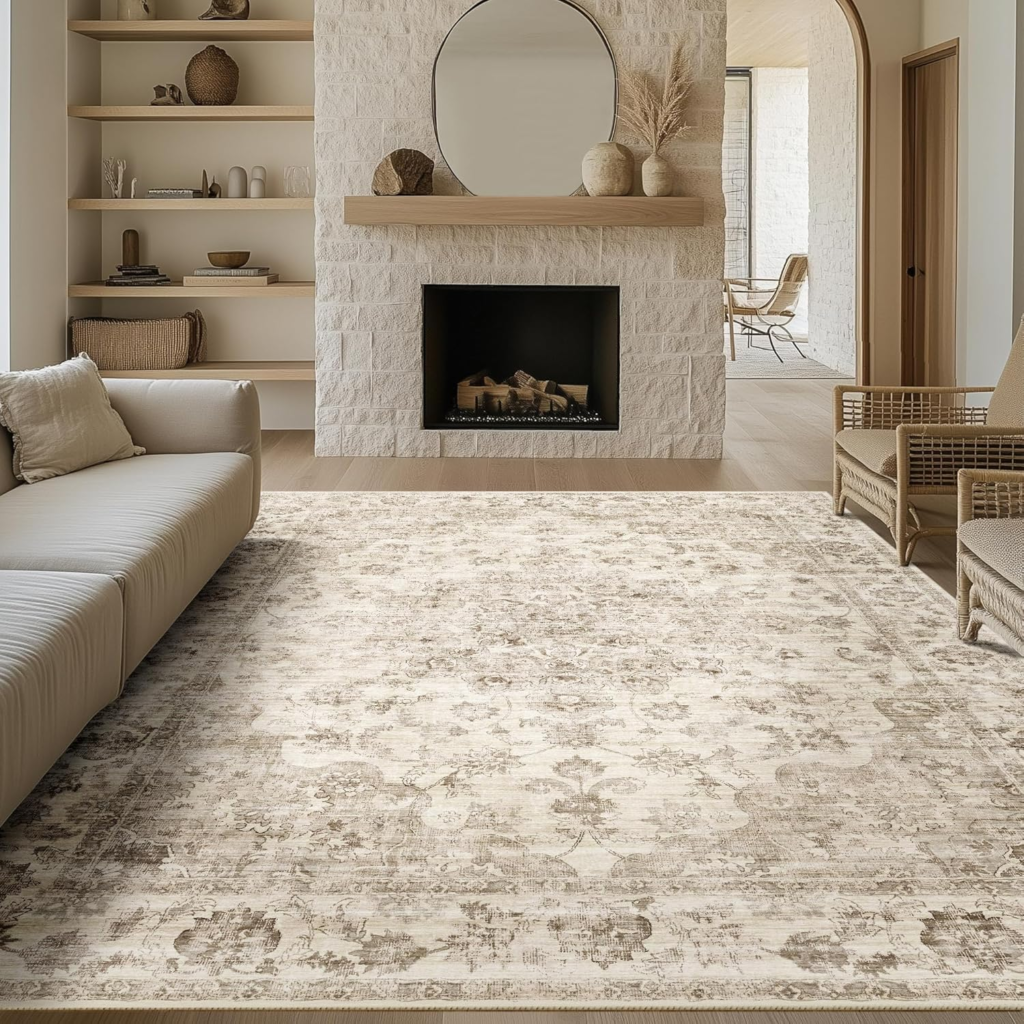
Here are a few pieces from Amazon that could be curated to create this space:




Love the Home You Live In — Bring It All Together
The Room Revival Method is simple, repeatable, and designed to make any space feel intentional and finished. Follow these four steps, and you’ll stop overthinking, start finishing rooms, and finally enjoy the home you already live in.
The Method:
- Purpose — define what the room is for, how it will function, and how people will move through it.
- Anchor — pick one item that captures the mood. Let it guide your color, texture, and style choices.
- Palette — extract colors, textures, and materials from your anchor. Build a visual language that flows throughout the space.
- Echo — repeat colors, textures, and shapes across the room so everything feels cohesive and intentional.
Why it works:
Each step builds on the last. Purpose gives direction. The anchor provides inspiration. The palette organizes choices. Echo creates harmony. Together, they turn any room — living room, bedroom, office, or nursery — into a space that feels complete, calm, and truly yours.
Pro tip: start small. Focus on one corner, one vignette, or one surface. Apply Purpose → Anchor → Palette → Echo, and watch your space transform. Small steps lead to big results.
Remember: you don’t need to buy a single new piece. The method works with what you already own. Every choice becomes easier and more confident when you follow a clear process.
The result? Rooms that are functional, welcoming, and aligned with your style. Spaces that finally reflect the home you want — without guesswork, overwhelm, or Pinterest paralysis.