

Affiliate Disclosure: Some links in this post are affiliate links. Purchases may earn a small commission at no extra cost, helping keep these design tips coming. Read the full disclosure here.
Walk into your kitchen for a second. Not the Pinterest version — the real one. The one where breakfasts happen half-awake, where backpacks land, where dinner gets made on busy weeknights.
Now ask the honest question: does this space feel warm and inviting… or does it feel fine, but flat?
If the answer is “fine,” that’s common. Many kitchens are clean, functional, and still somehow feel cold. And no — the solution is not a full remodel, new cabinets, or ripping everything out.
A warm and inviting kitchen is built through intention, not renovation.
That’s where the Room Revival Method comes in. It’s a simple, repeatable way to design any space so it feels finished, functional, and cohesive — including the kitchen. No design degree required. No guessing. Just clear steps that work.
The method follows four stages: Purpose → Anchor → Palette → Echo.
Let’s walk through each one, specifically for creating a warm and inviting kitchen.
Step 1: Purpose — What Actually Happens in This Kitchen?
Start with function. Always.
Before thinking about color, décor, or style, ask one simple question: what is this kitchen used for? Not what it should be used for — what actually happens here.
Some kitchens are fast-paced and practical. Others are gathering spaces where people linger. Some do double duty as homework stations, coffee bars, or conversation hubs.
Clarify the purpose by answering:
- Is this a quick-meals kitchen or a place people gather?
- Is cooking the main focus, or connection?
- Is this space mostly for one person or many?
Once that’s clear, plan the layout and decisions around it.
If cooking is the priority, surfaces need to stay clear and functional.
If gathering matters, seating, lighting, and flow become essential.
Here’s the rule to remember: every design choice that comes later must support this purpose. Warmth means nothing if the kitchen doesn’t work for real life.
Get function right first. Everything else builds from there.

Step 2: Anchor — Introduce Warmth and Mood
Once function is clear, it’s time to introduce feeling.
An anchor is one physical item you genuinely love — the piece that sets the tone for the entire kitchen. This isn’t about trends or perfection. It’s about choosing something that makes the space feel more like you.
The best anchors usually include color, texture, or imagery that can inspire the rest of the room. Pieces with visual interest — especially art, textiles, or statement items — give you something to build from.
Good anchor options for a warm and inviting kitchen include:
- Art or prints (especially with color or text)
- A runner with pattern or vintage character
- A statement pendant or chandelier
- Decorative ceramic or stone pieces
- A collection of wood elements displayed intentionally
The anchors shared below are examples meant to show how a single, loved piece can influence an entire space.
For instance, if a green, slightly vintage kitchen speaks to you, one of these anchors might feel like the right starting point. That doesn’t mean every kitchen should look that way — it simply shows how one choice can guide color, texture, and mood.
Choose something you love. Let it lead the rest of the decisions. When the anchor is clear, everything that follows gets easier.

Use Wall Art You Love…
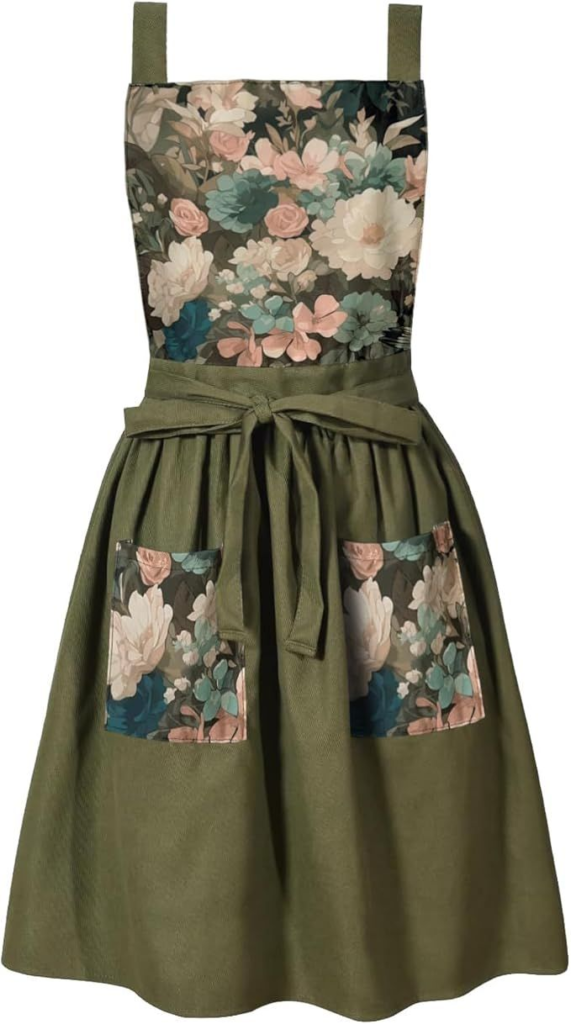
Or an Apron You Love…
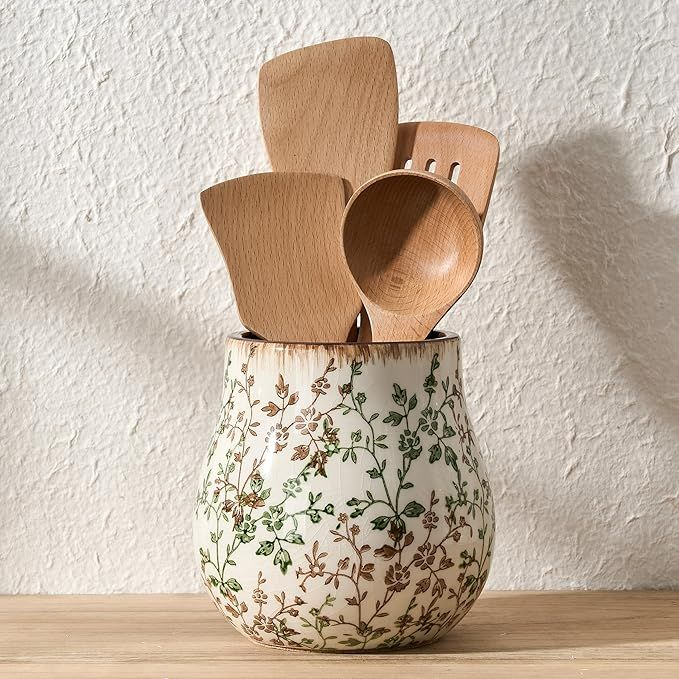
Or Even a Utensil Holder You Love
Step 3: Palette — Warm It Up With Color and Texture
With an anchor in place, building a palette becomes straightforward.
A palette isn’t just about color. In kitchens especially, texture matters just as much. Hard surfaces dominate this space — cabinets, countertops, appliances. Texture is what softens them.
Start by pulling 2–3 main colors from the anchor. These will guide larger choices like runners, bar stools, or accessories. Then choose 1–2 accent tones for smaller details.
Next, layer texture. This is where warmth really comes alive.
Textures that work beautifully in a warm and inviting kitchen include:
- Wood
- Ceramic
- Linen
- Aged or brushed metals
- Woven fibers
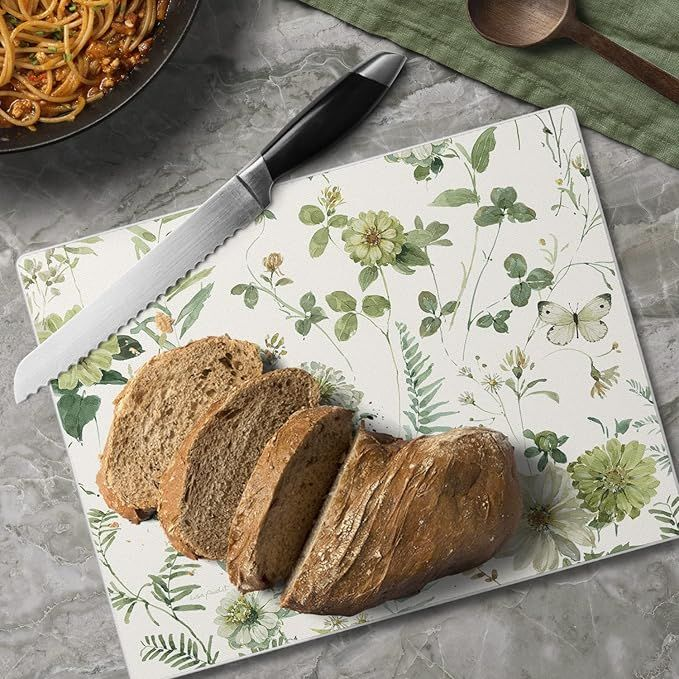
For example, a wood cutting board anchor might inspire warm whites, soft beige, and natural wood tones. Add linen towels, ceramic bowls, and a woven runner, and suddenly the kitchen feels lived-in instead of sterile.
Here’s an important guideline: texture first, color second. When texture leads, the space feels rich without feeling busy.
Here’s an example color and texture palette inspired by the anchor pieces above.

Step 4: Echo — Make the Kitchen Feel Intentional
This is the step that separates a warm kitchen from a finished one.
Echoing means repeating elements from the anchor and palette throughout the space so everything feels connected. Without echo, a kitchen can have nice pieces that still feel random.
Start by looking at the anchor and palette. Then ask: what can appear more than once?
Here’s how to echo effectively in a kitchen:
Repeat texture.
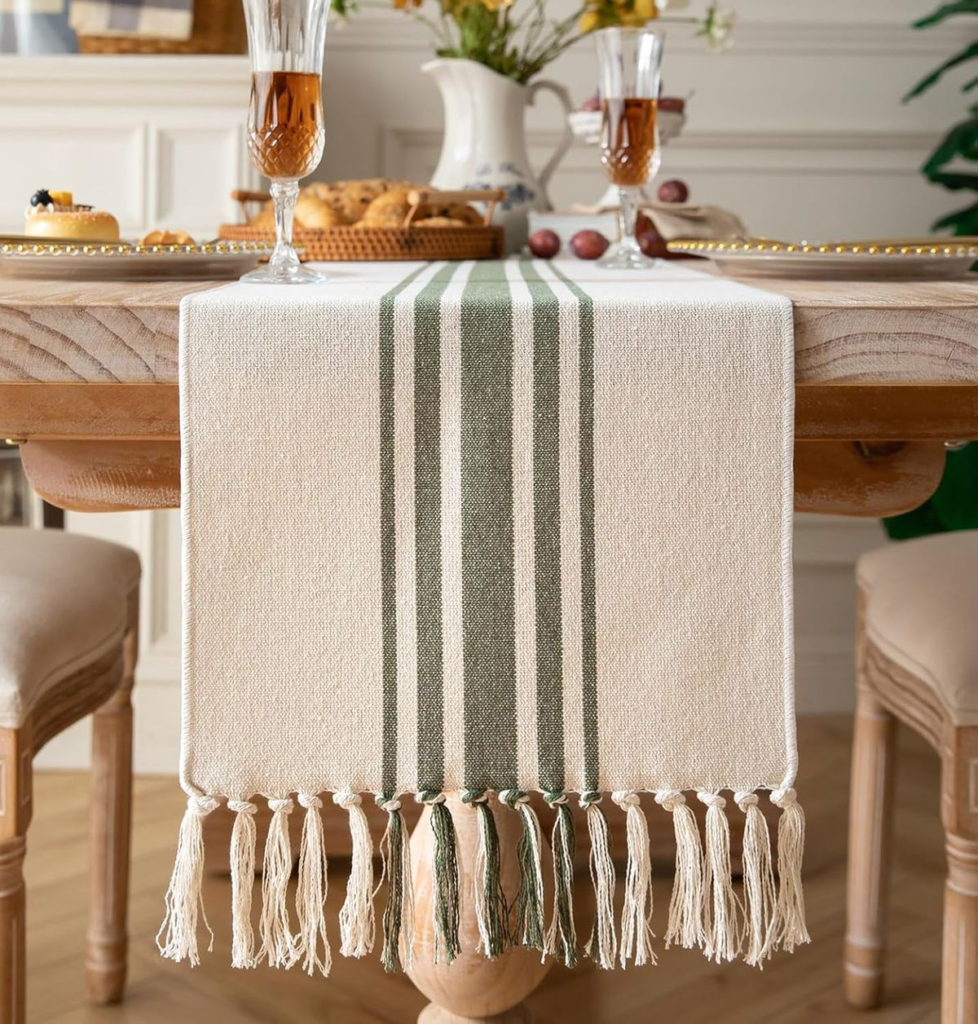
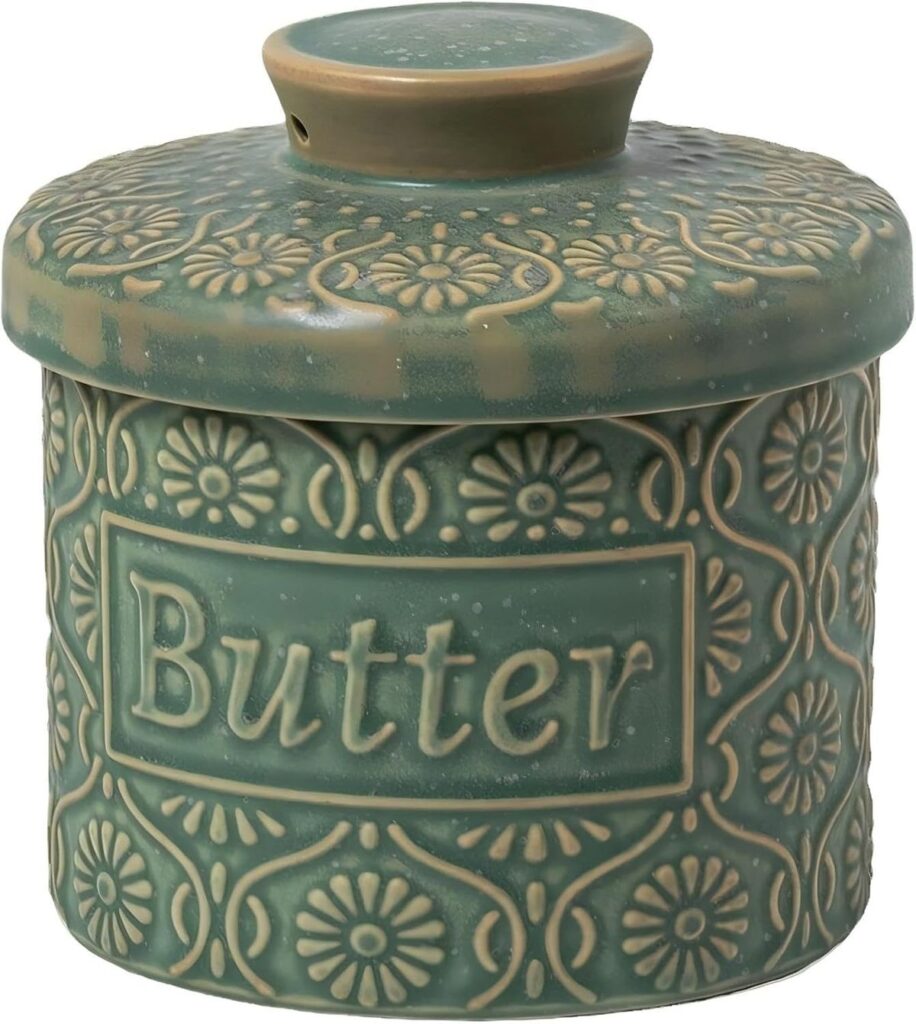
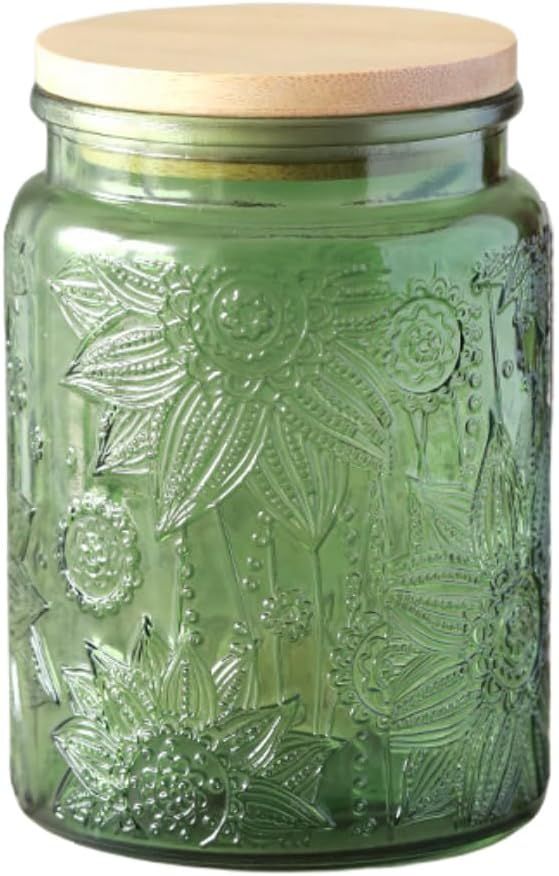
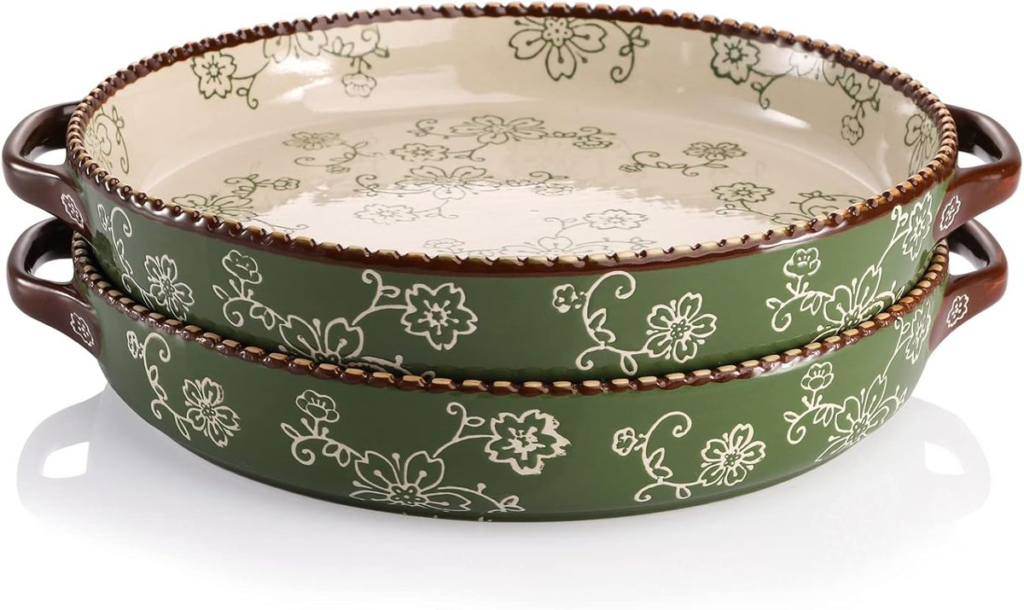
If the anchor introduces wood, echo it in stools, shelves, or serving boards. If ceramic shows up once, let it appear again.
Repeat color.
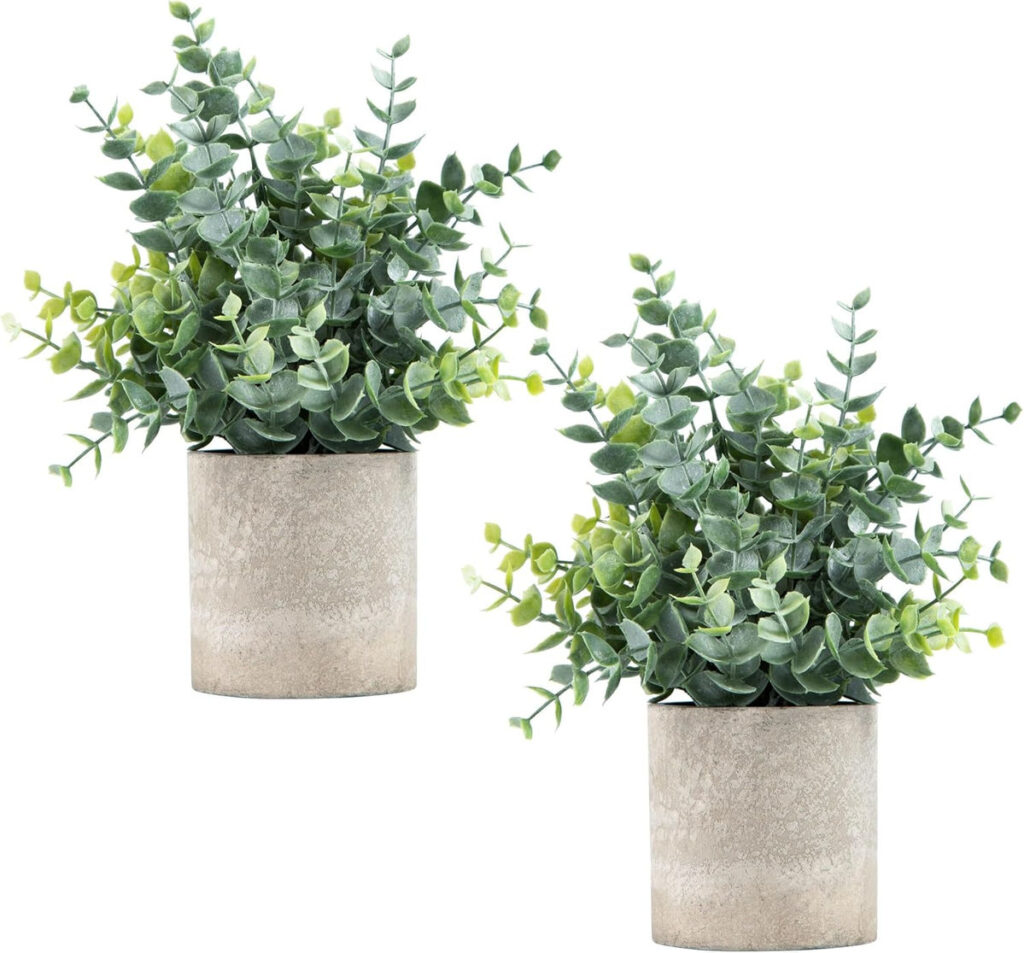
If warm neutrals or an accent shade appear in the anchor, carry them into linens, rugs, or small décor. This gives the eye a path to follow.
Repeat shape or finish.
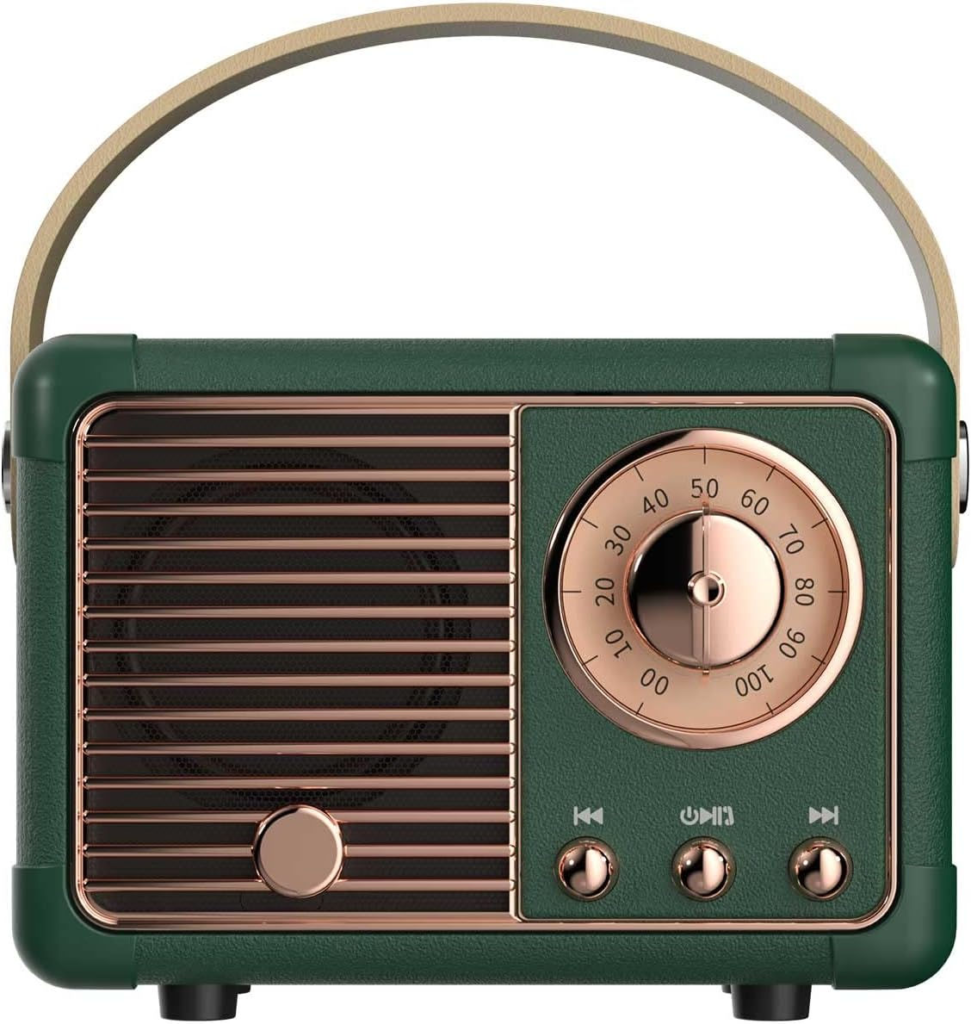
Curves in lighting can echo in bowls or trays. Aged brass can appear in both hardware and accessories.
Echoing doesn’t mean matching. It means connecting.
Even subtle repetition — a runner, a tray, a bowl — can shift the kitchen from “decorated” to cohesive.
To continue with the green vintage kitchen example, here are a few simple ways to echo the palette across the room using best-selling products from Amazon:
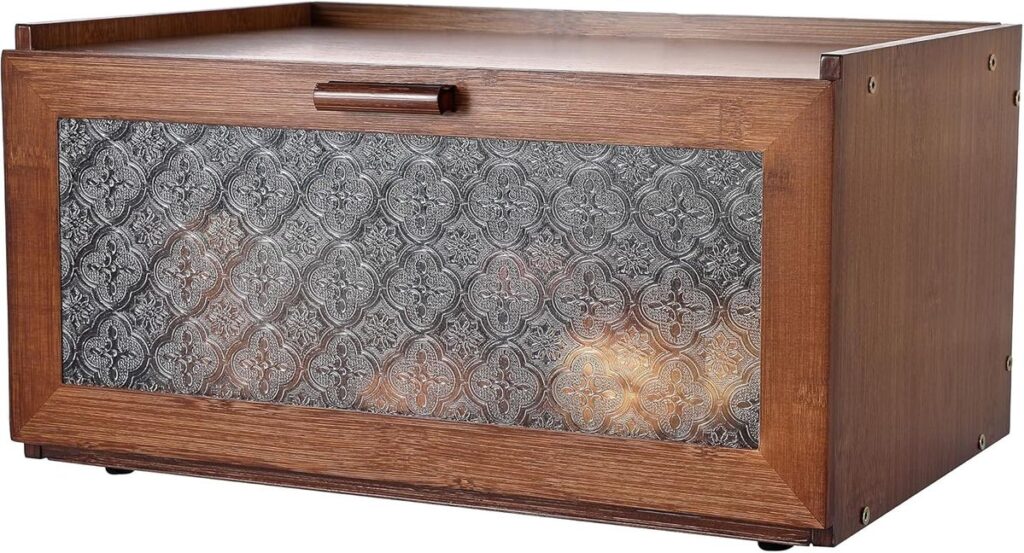
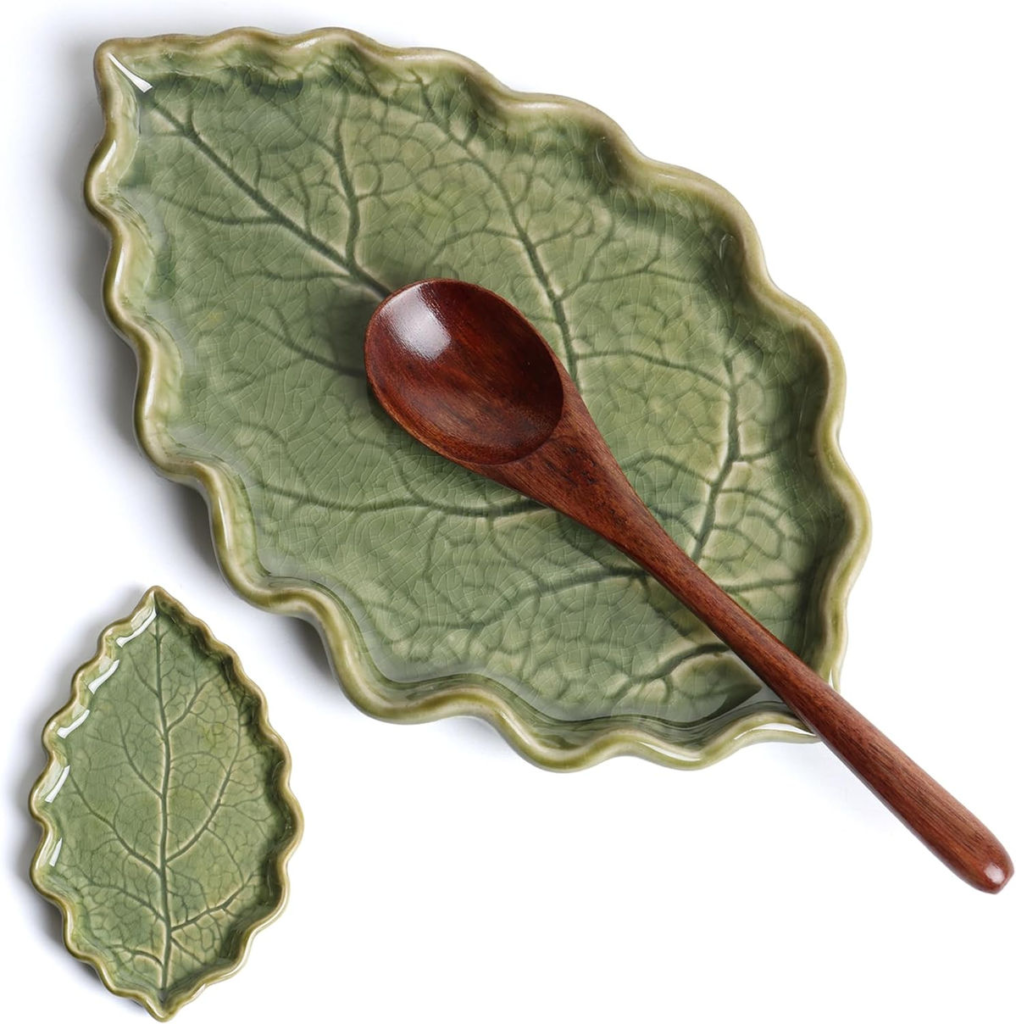
The Takeaway
A warm and inviting kitchen isn’t created by chasing trends or tearing everything out. It’s created by clarity.
When purpose comes first, mood has direction.
When an anchor sets the tone, choices get easier.
When a palette is restrained, the space feels calm.
When elements echo, the kitchen feels finished.
That’s the Room Revival Method in action:
- Purpose — function first
- Anchor — introduce warmth and feeling
- Palette — layer color and texture
- Echo — tie everything together
Follow these steps, and even the most basic kitchen can become a space that feels welcoming, intentional, and warm — without a remodel, without guesswork, and without overwhelm.