
Affiliate Disclosure: Some links in this post are affiliate links. Purchases may earn a small commission at no extra cost, helping keep these design tips coming. Read the full disclosure here.
You scroll through Pinterest. You save dreamy living room ideas, pin gorgeous sofas, rugs, and lighting that make your heart skip a beat. You imagine how your own space could look.
But then reality hits. You stand in your living room, glance around, and feel… stuck. The furniture is arranged. You’ve picked pieces you like. And yet somehow, the room still feels scattered, unfinished, or just… off.
This is a problem almost every home decorator faces — even experienced ones. Inspiration alone isn’t enough. Without a clear, repeatable method, even the most beautiful pieces can fail to create a cohesive space.
That’s why the Room Revival Method exists. It’s a simple, 4-step process to help you:
- Define exactly what your room is for
- Pick a single anchor piece that inspires every choice
- Build a cohesive color and texture palette
- Echo elements throughout the space so it all feels intentional
By following this method, you stop overthinking, start finishing rooms, and end up with spaces that feel both functional and completely you.
Step 1: Purpose — What Happens in This Living Room?
Start by asking: What is this room really for?
Many living rooms feel disconnected because their purpose was never defined. Before choosing furniture, colors, or décor, clarify how the space will actually be used.
Examples of room purposes:
- Reading and conversation space — cozy seating, good lighting, and surfaces for books or drinks.
- Entertainment hub — TV or projector setup, plenty of seating, and clear traffic flow for guests.
- Home office/living hybrid — a functional workspace integrated with lounge areas.
- Kid-friendly lounge — durable furniture, easy-to-clean surfaces, and open space for play.
- Minimalist relaxation room — calming, uncluttered furniture and muted colors for rest and focus.
How to clarify your room’s purpose:
- List the main activities. Identify 2–3 primary uses so your layout supports real-life needs.
- Determine functional furniture. What seating, tables, storage, or lighting will make those activities possible?
- Plan traffic flow. Ensure pathways are open and focal points are easy to navigate.
- Test the space. Walk through the room as if using it in daily life, noting friction points and adjusting furniture as needed.
Pro tip: Focus on function first — style can come later. Once you know what the room needs to do, choosing pieces, colors, and textures becomes much easier.
Step 2: Anchor — What sets the mood and tone?
Once your room’s purpose is clear, it’s time to select an anchor piece — the item that sets the tone for your entire space. Think of it as your design “north star.” Every color, texture, and accessory you choose will relate back to it, helping the room feel cohesive and intentional.
What an anchor can be:
- A piece of furniture you already own, like a sofa, armchair, or sideboard.
- A decorative object that inspires you — artwork, sculpture, or vase.
- A textile or rug with a bold pattern or texture.
- A lighting fixture that reflects the style and energy you want.
How to choose the right anchor:
- Go with what excites you. Pick something that gives you an “oh, I love this!” feeling every time you see it. Your anchor should energize the space.
- Focus on mood. Decide what feeling you want the room to evoke — cozy, airy, elegant, playful, or calm — and choose a piece that embodies that mood.
- Consider color. Look for a piece with colors you love and that can be repeated elsewhere in the room.
- Pay attention to texture. The material — wood, ceramic, velvet, metal, or woven fibers — can guide the textures you layer in other pieces.
- Reflect your style. Modern, cottagecore, boho, minimalist, rustic — the anchor should express the overall aesthetic you’re aiming for.
Your anchor doesn’t have to be new. It can be something you already own, or a piece you pick up at a store. The key is that it makes you smile and gives the room energy. Once you have it, the rest of your design decisions become much easier.
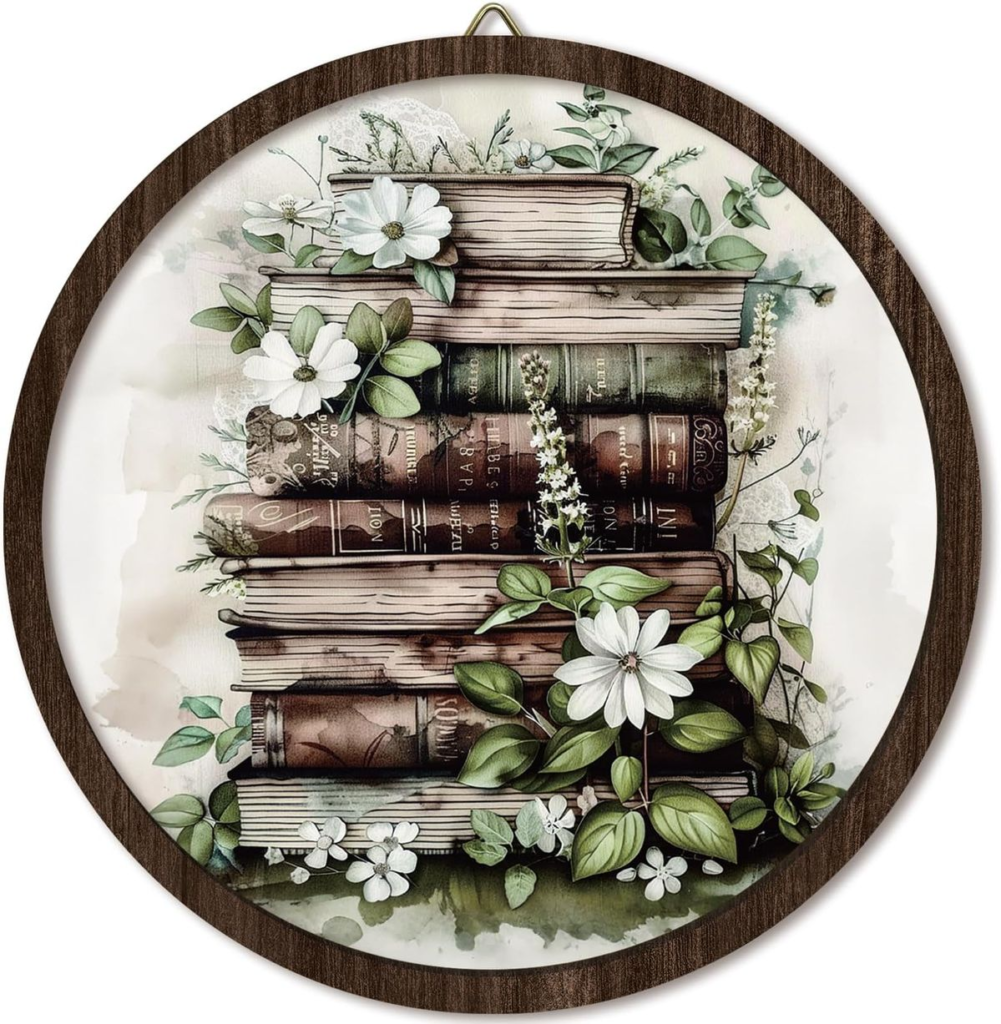
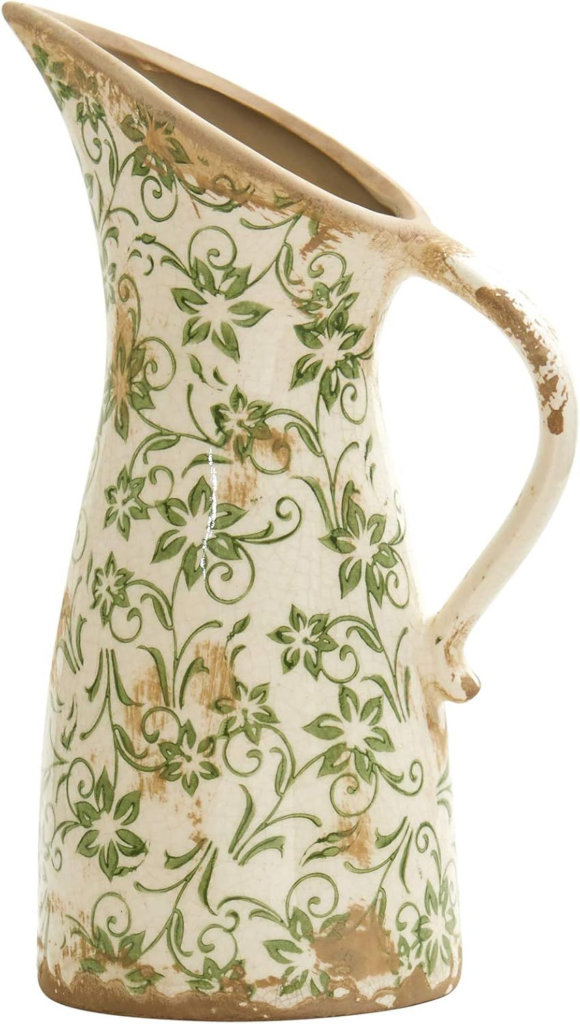
Example: In a reading and conversation space, a vintage green floral vase with a cottagecore vibe could serve as an anchor. Its green tones suggest the color palette, its floral texture inspires complementary materials, and its cozy, nostalgic style sets the mood for the room.
The anchors shared below are examples meant to show how a single, loved piece can influence an entire space.

Step 3: Palette — Which colors and textures bring it together?
Once you have your anchor, the next step is to extract a palette of colors and textures from it. This is where your room starts to feel intentional — every item you choose can relate back to this foundation.
Why it matters: Without a palette, rooms can feel chaotic or disconnected. With one, even small décor choices look deliberate, and the space comes together naturally.
How to build your palette:
- Pull main colors from the anchor. Look at the largest or most dominant shades in your anchor. These will become your primary colors for walls, large furniture, or rugs.
- Select accent colors. Identify 1–2 secondary shades that complement the main colors. These can appear in pillows, throws, artwork, or smaller décor.
- Mix textures. Consider the materials and finishes in your anchor — ceramic, wood, metal, woven fibers, or soft fabrics — and repeat them in other items to create depth and warmth.
- Balance bold and neutral. Large pieces anchor the palette, while smaller items let patterns or pops of color shine without overwhelming the eye.
- Test in your space. Check colors and textures under your room’s lighting before buying or painting. Lighting can change how a shade reads in the space.
Tips to make it easier:
- Let your anchor do the heavy lifting: pull 2–3 main colors and 1–2 accent colors directly from it.
- Add 1–2 textures inspired by the anchor for depth.
- Don’t overthink perfection — cohesion comes from connection, not exact matches.
Example: Using the vintage green floral vase as the anchor:
- Main colors: soft green, muted brown, beige
- Accent colors: deeper green, cream
- Textures: ceramic floral motif echoed in woven baskets, soft throws, and linen pillows
- Application: The couch, rug, lighting, and small décor items all repeat these colors and textures, creating a cohesive, intentional space.
By the end of this step, your room has a clear visual language. Every color and texture you bring in relates to the anchor, making styling choices faster, easier, and more confident.
Here’s an example color and texture palette inspired by the anchor pieces above.

Step 4: Echo — How do elements repeat for cohesion?
This is the step that separates a styled living room from a finished one.
Echoing means repeating elements from your anchor and palette throughout the space, so everything feels connected. Without echo, even a room with beautiful pieces can feel scattered or random.
Start by looking at your anchor and palette, then ask: what can appear more than once?
Here’s how to echo effectively in a living room:
Repeat texture.
If your anchor introduces ceramic, wood, metal, or woven fibers, bring those textures into furniture, baskets, side tables, or pillows. For example, if your anchor vase is ceramic, consider ceramic décor or a textured planter elsewhere in the room.
Repeat color.
Pull 1–2 colors from your anchor into rugs, throws, pillows, or artwork. Repeating colors guides the eye and creates harmony. For instance, soft greens and muted browns from the vase can appear in your couch pillows, rug, and small décor items.
Repeat shape or pattern.
Notice curves, florals, or geometric motifs in your anchor, and reflect them in mirrors, lamps, trays, or wall décor. If your vase has a soft, rounded shape, introduce similar curves in a side table, lamp base, or coffee table décor.
Echoing doesn’t mean matching.
The goal is connection, not duplication. Even subtle repetition — a throw pillow, a basket, or a lamp — can make the space feel intentional and cohesive.
Example: Using the vintage green floral vase as the anchor in a reading and conversation living room:
- Colors echoed: Soft green, muted brown, and beige appear in the couch pillows, rug, and lamp shade.
- Textures echoed: Ceramic, linen, and woven fibers show up in baskets, throws, and small décor pieces.
- Shapes echoed: Curves in the vase are reflected in a rounded coffee table, lamp, and decorative bowls.
Even a few thoughtful echoes like these transform the room from simply decorated to fully finished, making the space feel warm, inviting, and completely cohesive.
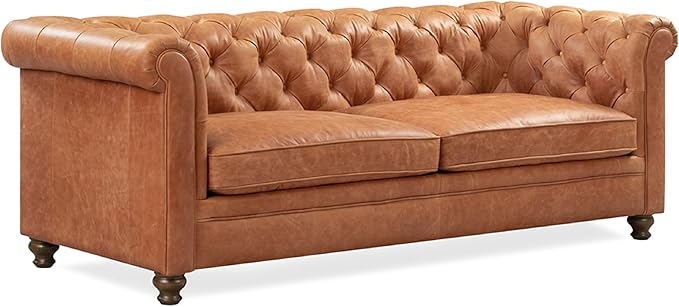
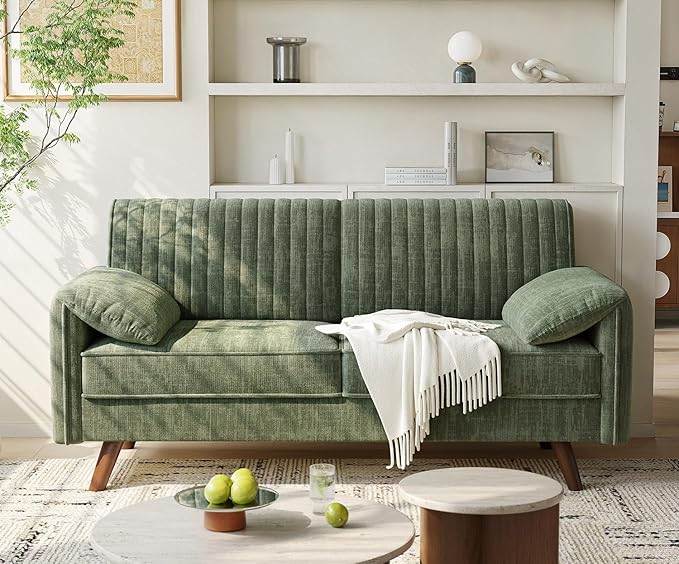
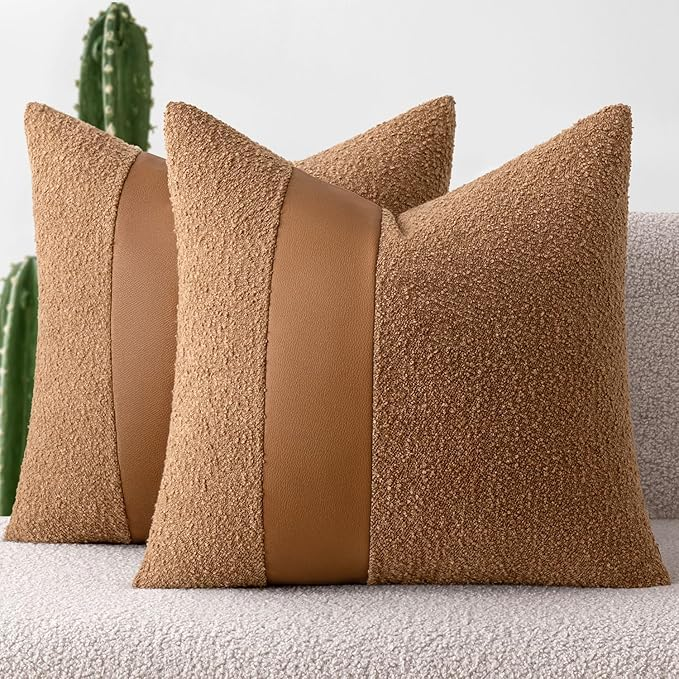
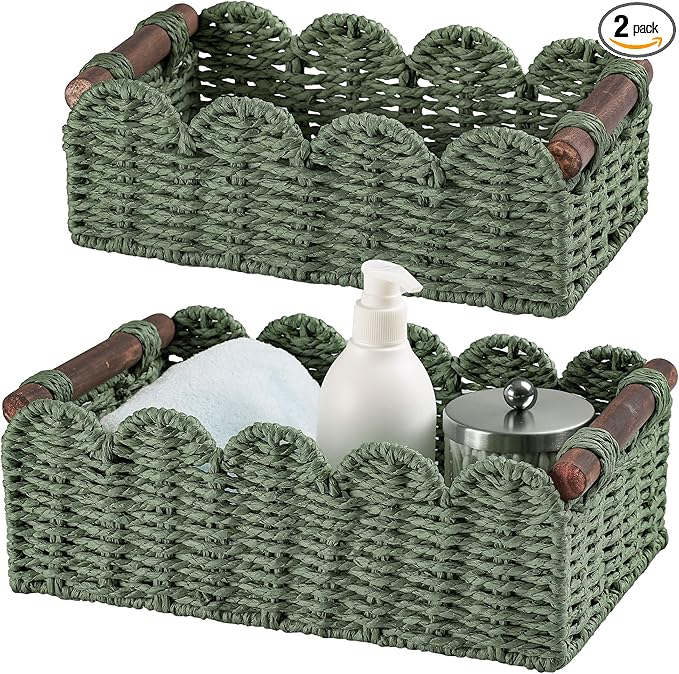
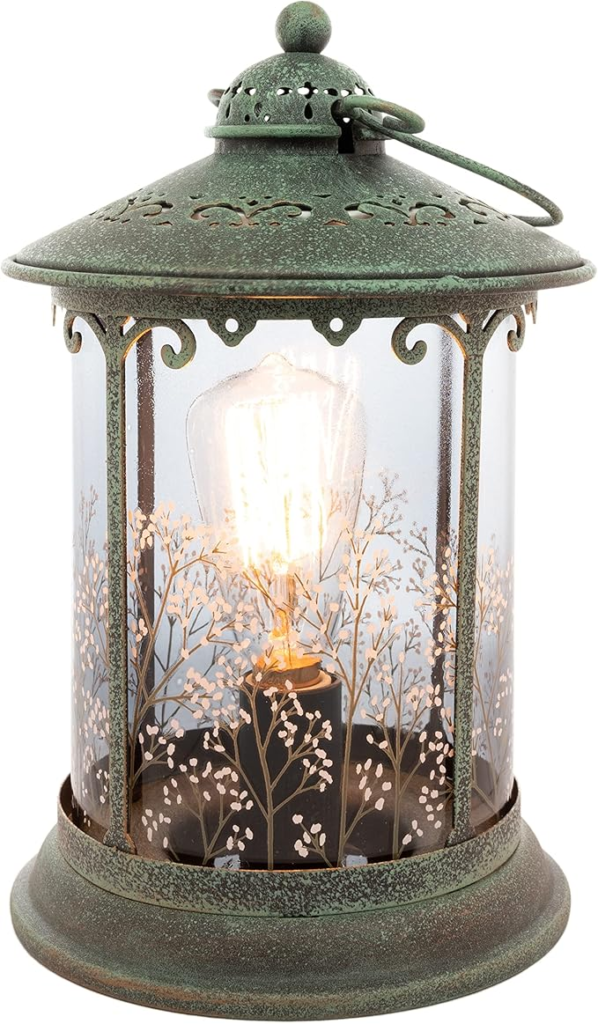
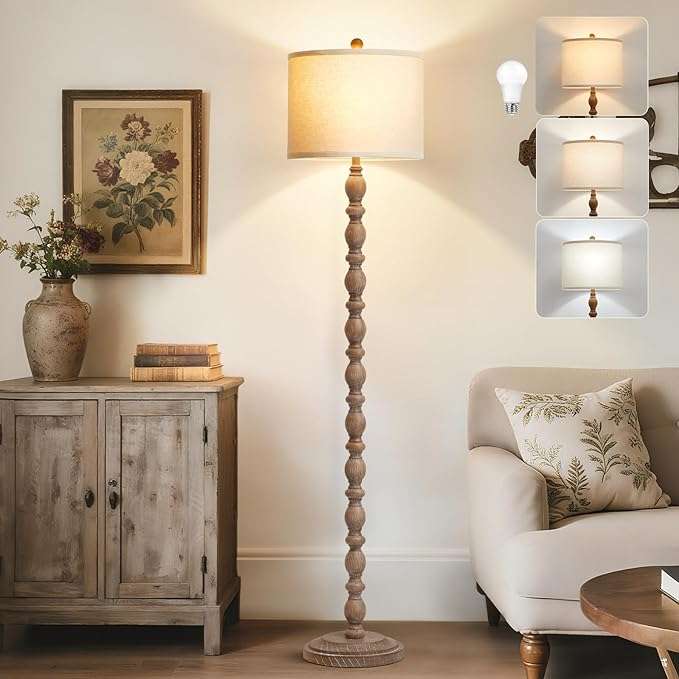
To continue with the green cottagecore living room example, here are a few simple ways to echo the palette across the room using best-selling products from Amazon:






The Takeaway
A cozy, inviting living room isn’t created by chasing trends or buying everything new. It’s created by clarity.
- When purpose comes first, every piece in the room has a reason.
- When an anchor sets the tone, every choice feels easier and more intentional.
- When a palette is thoughtful, colors and textures flow naturally.
- When elements echo, the room feels finished, cohesive, and welcoming.
That’s the Room Revival Method in action:
- Purpose — start with function
- Anchor — bring in warmth and feeling
- Palette — layer color and texture
- Echo — tie everything together
Follow these steps, and even the simplest living room can become a space that feels comfortable, intentional, and fully yours — without a full remodel, without guesswork, and without overwhelm.