
Affiliate Disclosure: Some links in this post are affiliate links. Purchases may earn a small commission at no extra cost, helping keep these design tips coming. Read the full disclosure here.
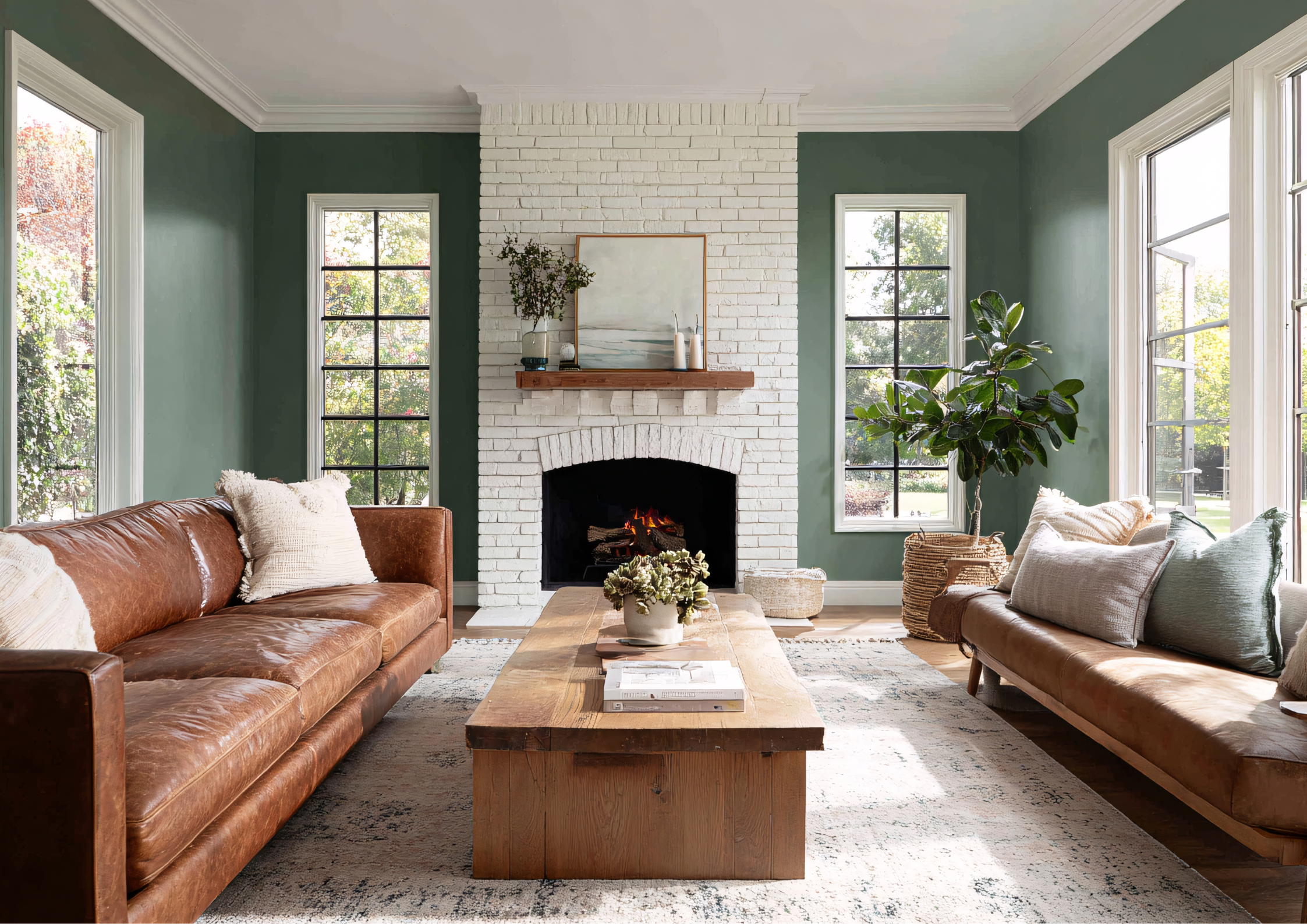
Let’s be honest: you love your brown couch. It’s comfy, classic, and maybe even a little worn in that perfect way. But somehow, your living room still feels “off.” Maybe your walls are blank, your pillows clash, or every time someone walks in, you think, “Why doesn’t this space feel finished?”
First of all, you’re not failing. Second, your brown couch isn’t the problem. The real issue is that most of us try to decorate piece by piece, hoping for magic, and forget one simple rule: your room needs a plan. And that’s exactly where the Room Revival Method comes in. It’s a four-step system that takes the guesswork out of decorating, and it can make your living room feel cohesive, intentional, and even a little magical.

Step 1: Purpose — Know What Your Room Is For
Before you buy a single pillow or scroll Pinterest for the hundredth time, stop and ask yourself: What do I actually want this room to do?
- If it’s a family hub, focus on comfort and functionality. Think big pillows, cozy throws, and furniture that can handle snacks, homework, and movie nights.
- If it’s meant for entertaining, consider how people will move through the space, where conversations will happen, and which statement pieces will wow your guests.
- If it’s a relaxation retreat, soft muted tones, layered textures like linen and velvet, and ambient lighting will help you unwind.
For example, if your family loves movie nights, your brown couch isn’t just furniture — it’s the centerpiece of comfort. And because you know the purpose of the room, every other choice — from lighting to side tables — will naturally support it.
Pro tip: Write down 2–3 goals for the room. Then, keep them visible while decorating. That way, you’ll avoid picking items that look cute but don’t serve your purpose.
Step 2: Anchor — Your Inspiration Piece
An anchor is simply the piece in your room that inspires your design decisions. And here’s the thing: it doesn’t have to be big, bold, or expensive. It just needs to have colors, textures, or a feeling you love, and it will guide everything else you do. Think of it as your design compass.
Your brown couch is not the anchor. Instead, it’s a supporting piece that coordinates with your anchor — blending in naturally without clashing.
Your anchor could be:
- A piece of art that makes you stop and smile every time you see it
- A small family heirloom that has personal meaning
- A vase, sculpture, or decorative object with textures or tones you love
For example, maybe you have a small ceramic vase with warm golden tones and a touch of olive green. It doesn’t dominate the room, but it sets the story. Then, your pillows can echo the olive, a throw can pick up the gold, and your brown couch naturally coordinates. Suddenly, your room feels cohesive, intentional, and like it was designed on purpose — all starting from one small inspiration piece.
Pro tip: Don’t worry about impressing anyone else. Your anchor’s only job is to speak to you and guide your choices.
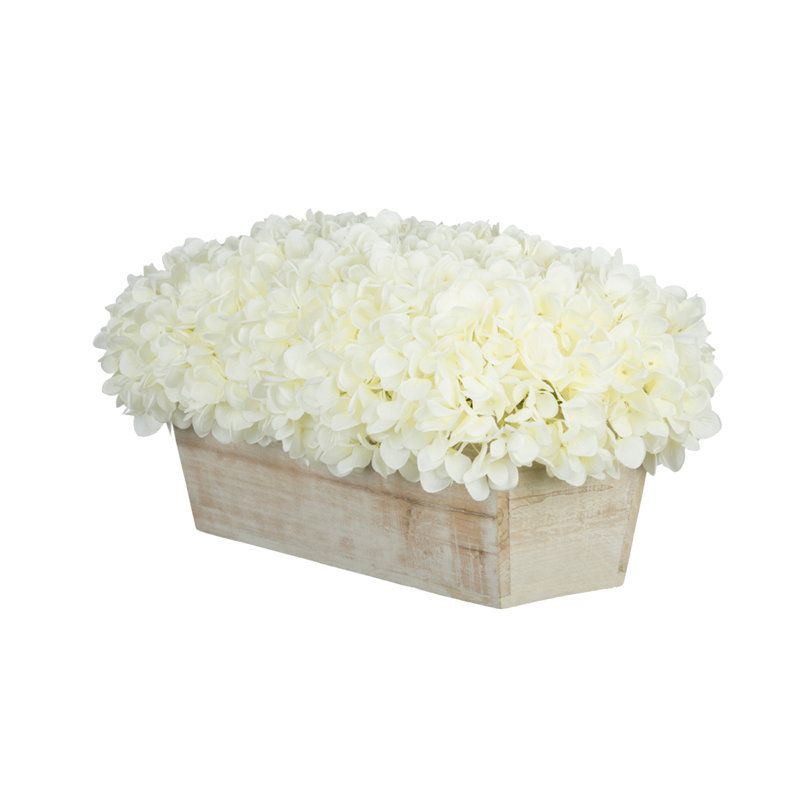
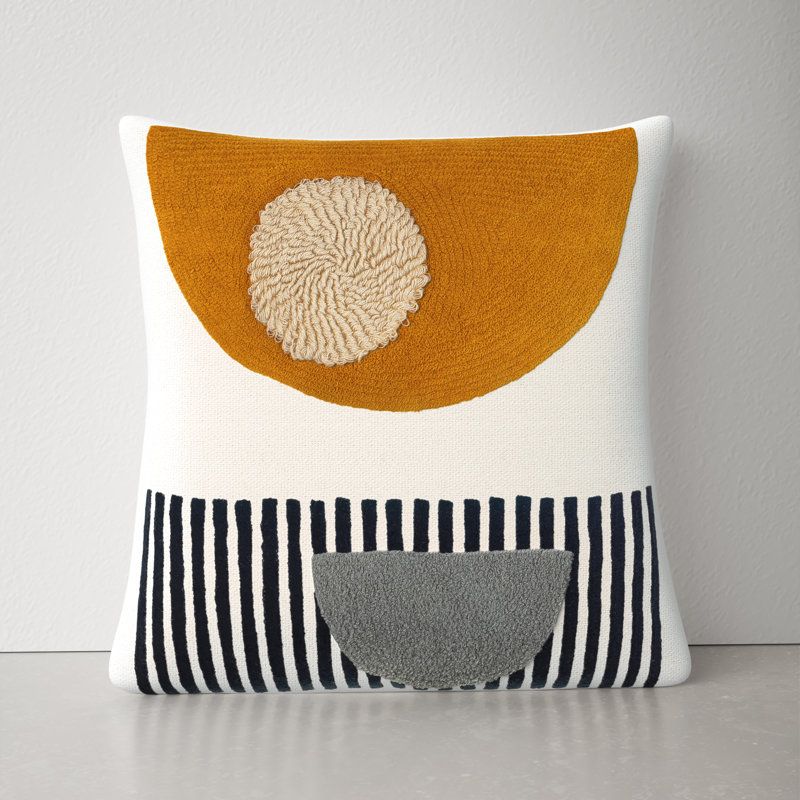
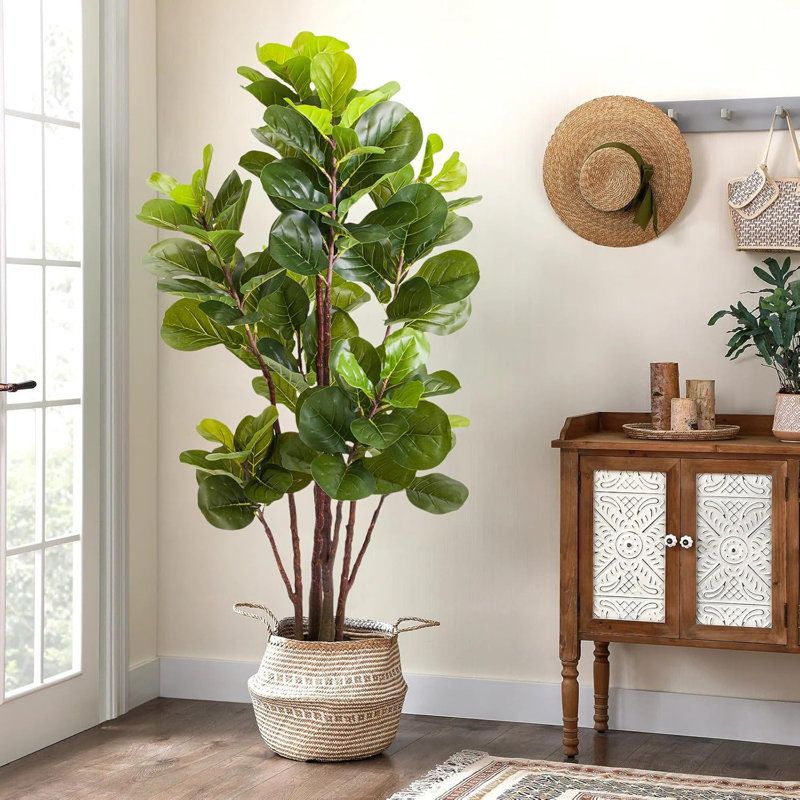
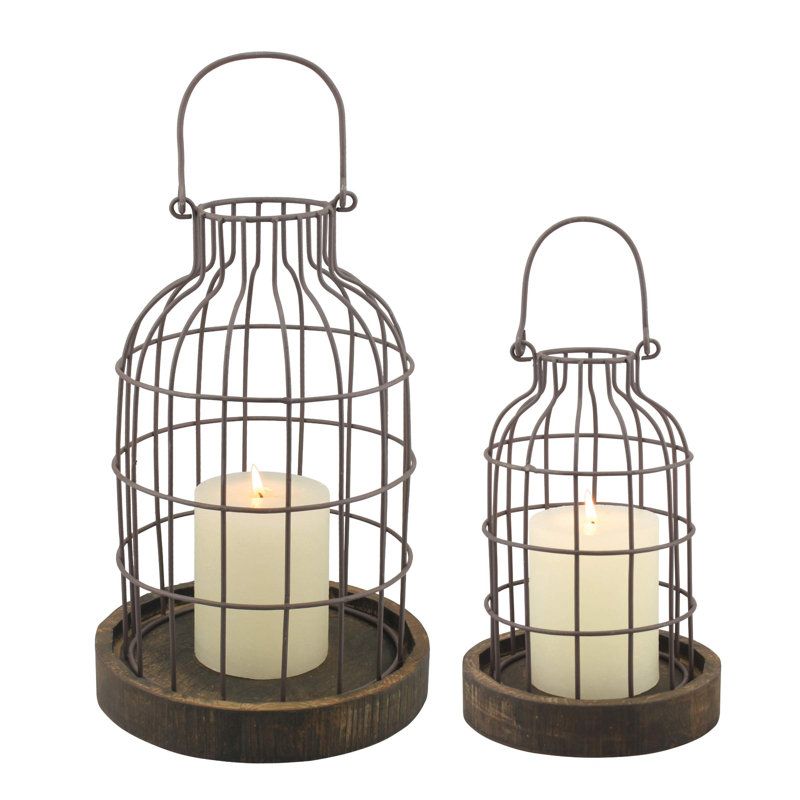
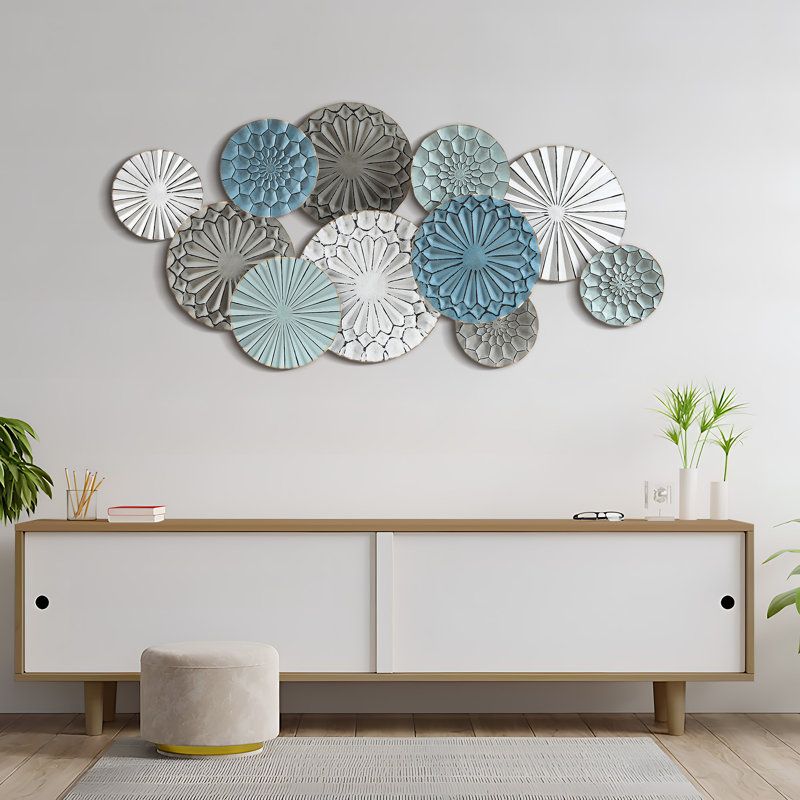
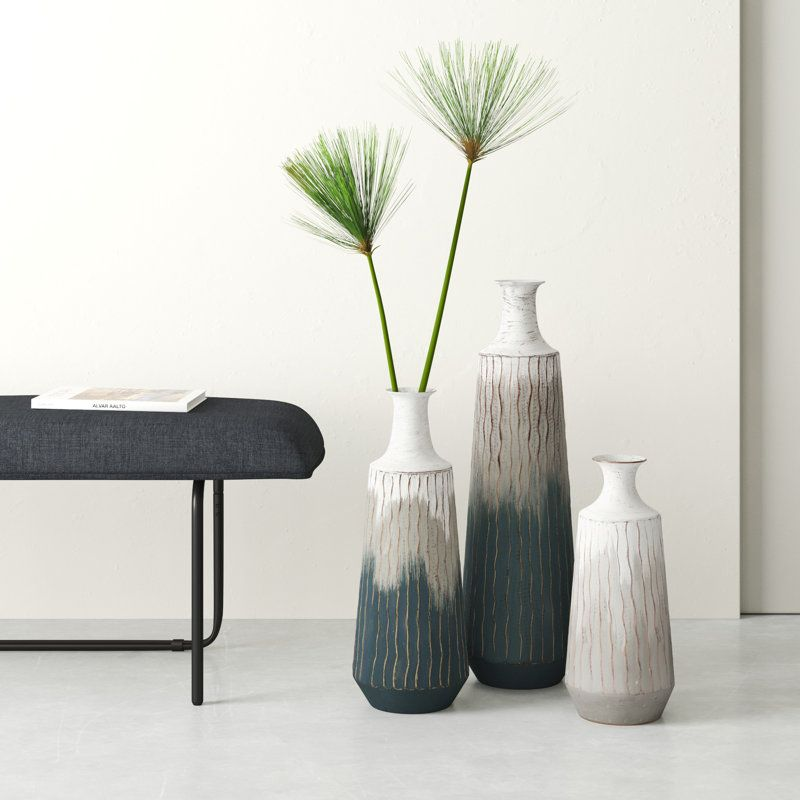
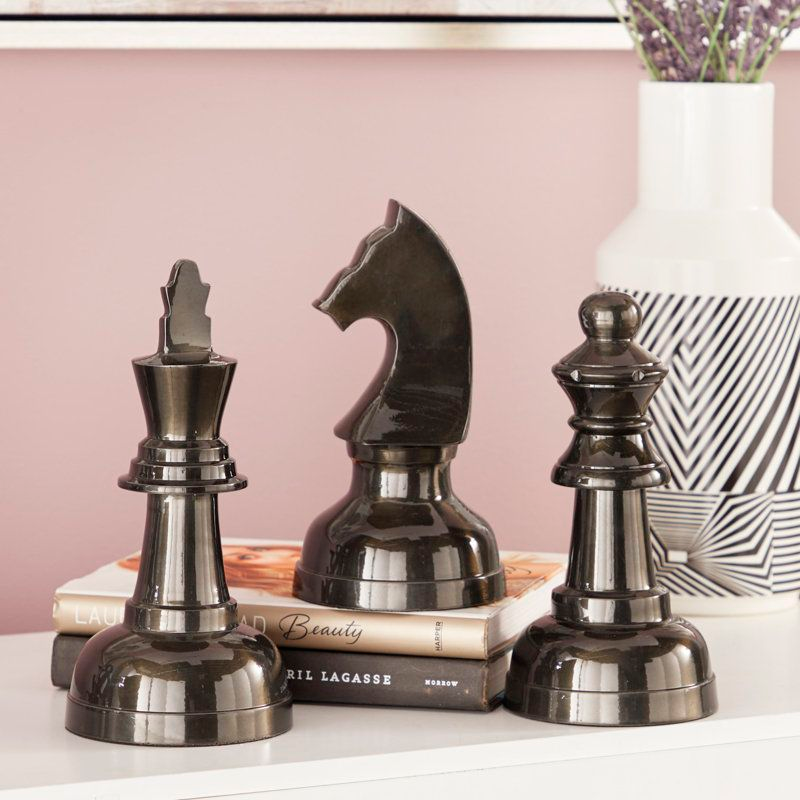
Struggling to select an anchor piece? Consider one of these best sellers on Wayfair:





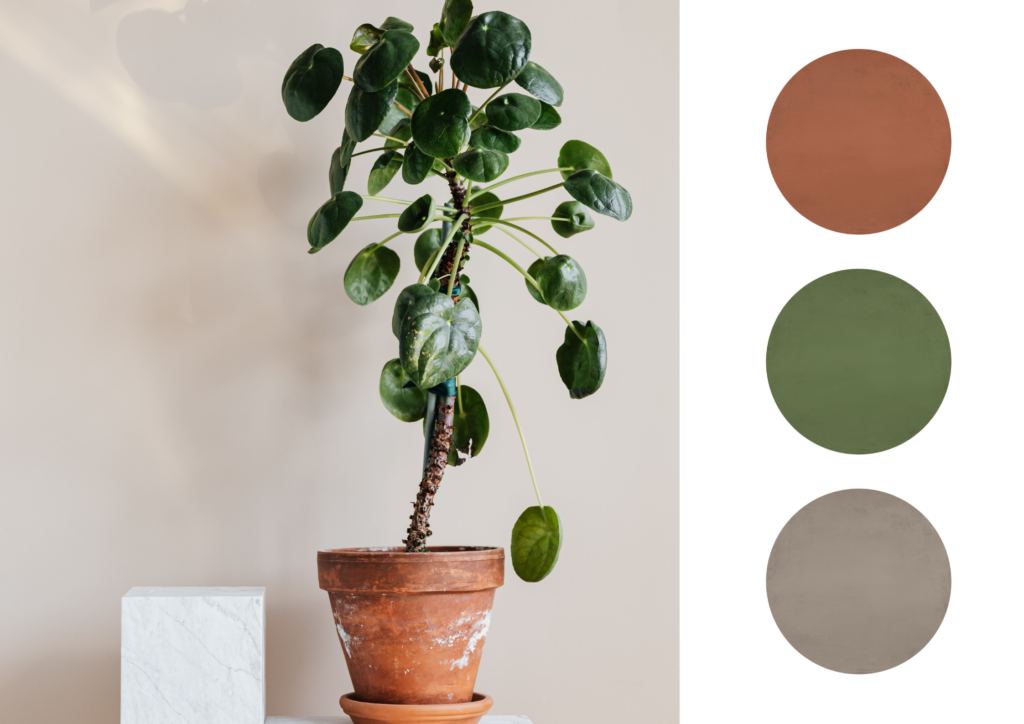
Step 3: Palette — Pull Colors and Textures From Your Anchor
Once you’ve chosen your anchor, creating a palette comes naturally. This is where your brown couch joins the story — not as the anchor, but as a supporting tone that blends beautifully with the colors and textures you’ve chosen.
- Step one: pull two to three main colors from your anchor. For our golden-and-olive vase, that might be gold, olive green, and cream.
- Step two: add neutrals for walls, floors, and larger furniture — think soft whites, warm grays, or natural wood.
- Step three: layer in textures that complement both your anchor and your brown couch — leather, linen, wood, or metal.
For example, your throw pillows could pick up the olive green, a cozy blanket could echo the gold, and a natural wood side table mirrors the texture of your vase. Even though the brown couch isn’t the anchor, it naturally coordinates with the palette, giving the room balance and warmth.
Limiting your palette might feel restrictive at first, but trust me — it’s liberating. It keeps the space calm, cohesive, and makes decorating decisions obvious.
Step 4: Echo — Tie Everything Together
The final step is Echo. This is where repetition creates harmony, and where your brown couch truly shines as a supporting piece.
- Repeat colors, textures, or shapes from your anchor and palette across the room.
- Your brown couch coordinates, helping the eye flow through the space naturally.
- Accessories like pillows, throws, lamps, and artwork reinforce the story, without feeling forced.
For example, if your vase anchor has curves and golden accents:
- Choose a round coffee table to echo the curves
- Add a gold-accented lamp or tray
- Scatter pillows on the brown couch that pick up the olive and cream
The result? A room that tells a story. Your anchor sets the narrative, your palette sets the mood, and your echoes — including the couch — give the room its harmony.
Adding New Pieces Without Overwhelm
Sometimes your existing pieces leave gaps, and that’s okay. The key is to choose new items that support your room’s purpose, echo your anchor and palette, and coordinate with your brown couch.
For example, maybe the couch feels heavy and you want a lighter touch. Add a cream-colored chair or an olive-toned ottoman, and suddenly everything works together.
This is exactly where Room Revival Kits shine. They provide curated, coordinated pieces that echo your anchor and palette, helping you finish the room in one simple install — no guesswork, no stress, no endless scrolling.
The Takeaway
Here’s the truth: your brown couch isn’t the problem. Decorating isn’t about buying more stuff — it’s about making smart, intentional choices.
Follow the Room Revival Method:
- Purpose — decide what the room is for
- Anchor — pick the piece that inspires you
- Palette — pull colors and textures from your anchor
- Echo — repeat elements thoughtfully, including your brown couch
Do this, and your living room will finally feel finished, cohesive, and intentional — without stress, without guesswork, and without Pinterest paralysis.